Didn’t find the necessary information? Make an appointment for a consultation with oral surgeon Ihor Oleksandrovych Osadchy.

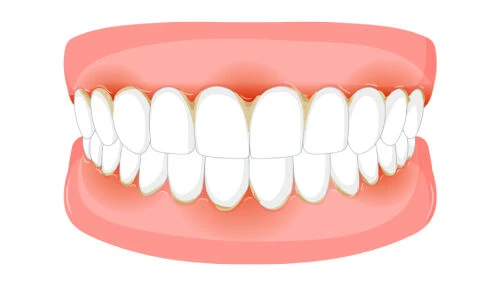
Gingivitis
Gum disease (gingivitis) is a common problem faced by many dental clinics in Kyiv and Ukraine. Patients sometimes think that sensitivity and redness of the mucous membrane is a minor issue. However, one should remember about complications. Gingivitis has quite a few of them, so it is important to visit a clinic in time to eliminate the inflammatory process at an early stage.
Gingivitis is an inflammation of the oral mucosa caused by the accumulation of dental plaque and bacteria. Gum inflammation (gingivitis) does not affect the gum-tooth junction and responds well to treatment in the early stages.
| Name | Description |
| By cause | |
| Plaque-induced | Caused by dental plaque accumulation |
| Non-plaque-induced | Caused by other factors such as trauma, infection, or hormonal changes |
| By course | |
| Acute | Characterized by sudden onset and rapid symptom development |
| Chronic | Has a prolonged course and often periodically exacerbates |
| By severity | |
| Mild | Characterized by mild symptoms that may include slight redness of the mucosa, minor sensitivity during tooth brushing, and possibly minor bleeding. Swelling and inflammation may be minimal or absent |
| Moderate | Mucosal inflammation is more pronounced. The mucosa is more sensitive, and bleeding during tooth brushing is more significant. Signs of swelling and tissue loss are observed |
| Severe | Significant inflammation and swelling, considerable bleeding during tooth brushing and even under slight pressure. In severe cases, ulcers may develop, and soft tissue loss may occur |
| By location | |
| Limited gingivitis | Inflammation is limited to a specific area of the mucosa |
| Widespread gingivitis | Inflammation spreads over most or all of the gingival margin |
| By additional signs | |
| Associated gingivitis | Related to other dental or systemic diseases |
| Drug-induced gingivitis | Caused by the use of certain medications such as antibiotics or hypertension drugs |
It is commonly believed that gingivitis occurs due to insufficiently thorough oral hygiene, and many patients are embarrassed to visit a clinic. However, the disease can be caused by various reasons, and patients should not feel uncomfortable. At the slightest suspicion, you should consult a doctor. All dental clinics in Ukraine and Kyiv note that ignoring gingivitis symptoms is quite common and leads to worsening dental problems.
Gingivitis can occur due to:
- improper tooth brushing (incorrect use of a toothbrush or floss leads to bacterial accumulation that causes inflammation);
- tartar buildup (dental plaque can turn into hard tartar that irritates the mucosa and causes inflammation);
- smoking (tobacco smoke irritates the mucosa and reduces tissue blood supply);
- hormonal changes (in women, gingivitis may worsen during pregnancy or menstruation due to hormone level changes);
- stress (stressful conditions weaken the immune system, making the mucosa more vulnerable to infections and inflammation);
- systemic diseases (some diseases such as diabetes, immunodeficiency conditions, and diseases affecting circulation can increase the risk of gingivitis);
- medication use (drugs such as antidepressants and antiepileptic medications can cause mucosal enlargement and increased risk of inflammation).
Gingivitis symptoms depend on the severity of the disease: the more advanced the stage, the more intense and pronounced the symptoms will be. It is very important to respond even to minor deviations from the norm and not think that everything will resolve on its own. Timely seeking medical help will protect not only from disease progression but also from complications.
| Symptom | Description |
| Bleeding | One of the earliest and most common signs of gingivitis is bleeding during tooth brushing or flossing. Bleeding can be mild or significant and can occur even under slight pressure on the tissues |
| Redness | Healthy mucosa has a pink tint, while with gingivitis it acquires a more pronounced red color due to increased blood flow in the area of inflammation |
| Swelling | Inflammatory processes cause soft tissue swelling and make them more voluminous |
| Sensitivity | Patients with gingivitis may experience increased mucosal tissue sensitivity when touching, eating, or drinking. The mucosa may be very sensitive even without direct contact |
| Itching | Inflammation may cause a sensation of itching or burning in the affected area |
| Ulcers | In some cases, gingivitis can lead to the formation of small or large ulcers on the mucosal surface |
| Odor | Bacterial accumulation also leads to bad breath |
Gingivitis treatment usually includes the following main stages:
- Professional dental cleaning.
This stage is performed by a dentist and involves removing all tartar and plaque deposits from the tooth surfaces and interdental spaces. This eliminates the main cause of the disease.
- Proper oral hygiene training.
The patient is explained and shown how to properly brush teeth, use dental floss, irrigators, and other hygiene products to maintain oral cleanliness. Quality home hygiene is critically important for successful treatment.
- Anti-inflammatory agents.
Antiseptic rinses, gels, or special therapeutic toothpastes with anti-inflammatory and antibacterial components may be prescribed to reduce inflammation.
- Antibiotics.
In severe cases, with pronounced gingivitis and deep pockets, a course of antibiotics may be prescribed to fight bacterial infection.
- Surgical intervention.
Rarely used, but if conservative treatment does not produce results, surgical excision of deep periodontal pockets or flap surgery may be needed to reduce bacterial niche formation.
- Risk factor correction.
Eliminating factors contributing to gingivitis development — quitting smoking, normalizing sugar levels in diabetes, changing hormonal medications, etc.
Gum inflammation (gingivitis) is one of those diseases that requires constant monitoring and prevention. Among the most important measures are:
- regular proper hygiene.
Daily brushing twice a day with a soft toothbrush and dental floss helps remove dental plaque and prevents bacterial accumulation;
- use of additional cleaning products.
For additional cleaning between teeth, you can use interdental brushes or dental floss, especially if teeth are closely spaced;
- preventive examination.
Visiting the dentist regularly for professional teeth cleaning and gum condition monitoring helps identify problems early and prevent gingivitis development.
Gingivitis prevention measures also include quitting tobacco and alcohol use, proper nutrition, stress factor elimination, and general health monitoring.
Despite its seemingly mundane nature, gingivitis can be very insidious and provoke a number of serious complications:
- tooth loss;
- periodontitis (periodontal inflammation);
- abscess formation.
In addition, uncontrolled gingivitis can worsen chronic diseases: cardiovascular, diabetes, rheumatoid arthritis. It is also very dangerous for pregnant women, as it leads to an increased risk of premature birth and low birth weight in newborns.
The treatment cost depends on the severity and extent of the disease. In case of severe extensive gingivitis, the cost of dental services will be significantly higher. In Kyiv, gingivitis treatment prices start from 2–3 thousand hryvnias.
Gingivitis is not an infectious disease. However, it can be transmitted from person to person through household contact, for example, when sharing the same toothbrush.
In stomatitis, inflammatory processes spread to all tissues of the oral mucosa, including the mucosa of the cheeks, palate, etc.
The treatment period may vary depending on how seriously the disease has developed and how quickly the patient responds to treatment. Typically, gingivitis treatment can take from several weeks to several months.
Bleeding is one of the symptoms of gingivitis, but it can also indicate other diseases, such as periodontitis. In addition, bleeding can be caused by: mechanical damage, vitamin C and/or K deficiency, taking anticoagulants, etc. In any case, if this symptom is present, you should consult a specialist to identify and eliminate the cause.

Igor Osadchiy
Surgeon
MD, physician with the highest skill accreditation level, member of EACMS (European Association of Cranio-Maxillofacial Surgeons), member of the Association of Implantologists of Ukraine. Alma mater: O.O. Bogomolets National Medical University. Year of graduation: 1984. Experience: Work experience: 38 years. For 13 years (1985-1998), taught dental surgery and maxillofacial surgery…
Igor Osadchiy
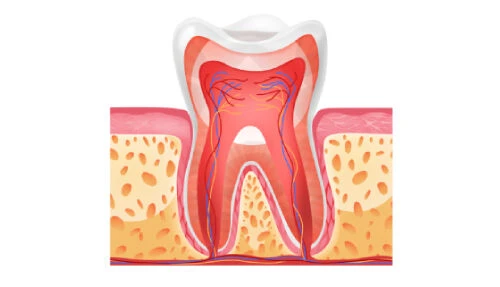
Treatment of tooth nerve inflammation
04.02.2025
Despite the fact that dental procedures have become significantly less painful over the past few decades, not all patients visit the dentist on time. Often fears prevail over health needs. This is confirmed by the statistics of cases of such a disease as pulpitis, especially irreversible. In Kyiv, two out of ten patients come to the dentist complaining that their tooth nerves have become inflamed due to long-untreated caries.
Igor Osadchiy
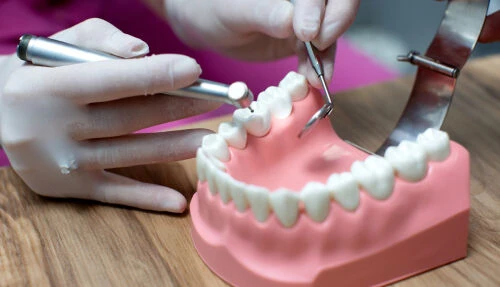
Installation of a dental crown
03.02.2025
Installing dental crowns is an important dental procedure designed to restore the functionality and aesthetics of teeth. It may be necessary in cases of significant tooth damage, after caries treatment, due to trauma, or certain bite pathologies. There are many types of dental crowns that need to be carefully considered before making a decision.
Igor Osadchiy
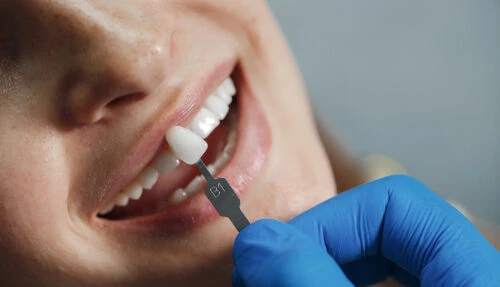
Installation of a crown on an implant
03.02.2025
No patient visits a dental clinic for an implant, and they are not even interested in implantation as a service. Patients mostly need to restore a lost tooth, which means they need not only an artificial tooth root but also prosthetics — most often with a crown. The range of variations here is quite wide, which in turn affects both the price of the implant crown and the cost of the procedure.
Igor Osadchiy
Treatment of dental canals
23.01.2025
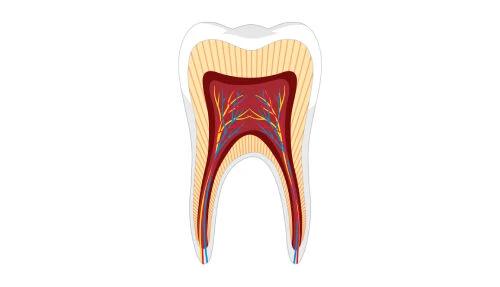
The vast majority of clinics in Ukraine provide endodontic services, and almost every adult patient has faced the need for nerve removal and root canal filling. Endodontic treatment is a fairly large field with a number of important nuances that patients should be aware of.

Igor Osadchiy
Jaw fracture
23.01.2025
Accidents, falls, and other situations that lead to injuries unfortunately do happen. Sometimes their consequence is a jaw fracture. It is important to note that patients cannot always understand that they have sustained a fracture, while successful rehabilitation directly depends on the speed of seeking medical help.
Igor Osadchiy
Teeth splinting
22.01.2025
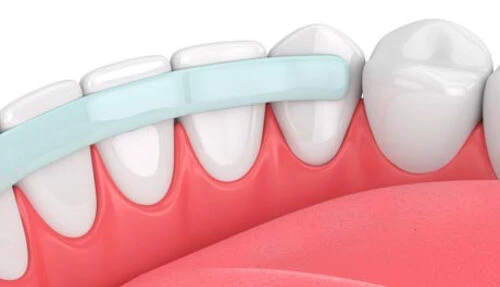
Many clinics in Kyiv offer teeth splinting as a treatment method, including for periodontal teeth. The danger of such manipulations is extremely high. We believe that patients should weigh the risks, and for this, they need to better understand the essence and purpose of such a medical procedure as teeth splinting.
Igor Osadchiy
Depulped tooth
20.01.2025
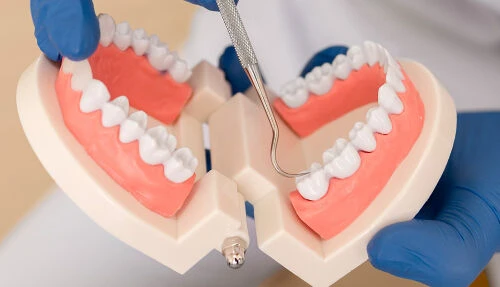
Endodontic treatment involving tooth devitalization has gained great popularity. It is now difficult to find an adult who has not had a nerve removed in at least one tooth. At the same time, many patients have doubts and do not always decide on depulpation, thereby condemning themselves to tooth extraction. So what is a depulped tooth and how does endodontic treatment work?
Igor Osadchiy
How a dental implant is placed
20.01.2025
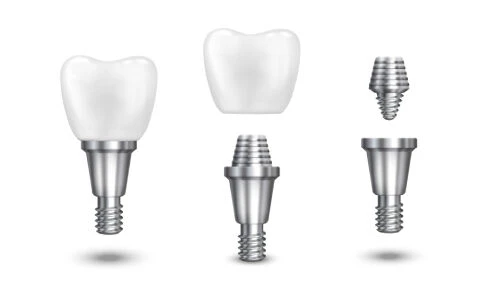
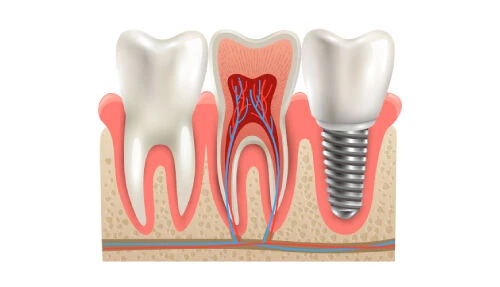
Almost every dental clinic in Kyiv and Ukraine can easily compile its own top list of topics that interest patients who have decided to get an implant. At Osadchyi Dental Clinic, we answer all questions in detail and provide consultations. However, many people want to receive information even before their consultation, so we decided to briefly go through the key points that are in the focus of patients’ attention.
Igor Osadchiy
How does tooth implantation occur
20.01.2025
Dental implantation is one of the most popular procedures in modern dentistry. Since many patients come to the need of restoring a lost tooth, many questions arise about the procedure itself. In various forms, the following questions are heard: “How does the dental implantation process work?”, “How is a dental implant placed?”, “How is dental implantation performed?” We answer everything in detail and clearly.

Igor Osadchiy
White coating after tooth extraction
16.01.2025
Almost every dentist has encountered queries like: gums turned white after tooth extraction, pulled a tooth and there is a white pouch on the gums, something white and soft in the socket after tooth extraction, or white spots on the gums after tooth extraction. We want to reassure all patients: everything is fine, there is no cause for concern.
Igor Osadchiy
Is it painful to remove stitches after a tooth extraction
16.01.2025
21st-century dentistry allows performing very complex manipulations and operations absolutely painlessly for the patient. However, many people still experience fears associated with visiting a dental clinic. In particular, there is a whole cluster of questions related to sutures: Does it hurt to remove sutures after tooth extraction? Does it hurt to remove sutures from the gums after wisdom tooth extraction? How long after tooth extraction are sutures removed? What happens if sutures are not removed after wisdom tooth extraction?