Didn’t find the necessary information? Make an appointment for a consultation with oral surgeon Ihor Oleksandrovych Osadchy.


White coating after tooth extraction
Almost every dentist has encountered queries like: gums turned white after tooth extraction, pulled a tooth and there is a white pouch on the gums, something white and soft in the socket after tooth extraction, or white spots on the gums after tooth extraction. We want to reassure all patients: everything is fine, there is no cause for concern.
Something white after tooth extraction is a fibrin coating. It is an integral part of normal physiological wound healing. Fibrin is a protein that plays a key role in the blood clotting process. It is one of the main components of the clot that forms at the site of vessel or tissue damage to stop bleeding.
Stages of wound healing:
- Vasoconstriction
Blood vessels constrict to reduce blood flow to the area of damage and help stop bleeding.
- Platelet formation
Platelets, or blood cells, begin to adhere to damaged vessels and form an initial clot.
- Coagulation
Activation of blood clotting factors occurs, leading to the conversion of the soluble protein fibrinogen into insoluble fibrin. Fibrin forms a network around the thrombus, strengthening it and ensuring clot stability.
- Remodeling
This stage begins after the formation of the fibrin clot. It involves capillary growth, proliferation of fibroblasts (cells responsible for the synthesis of collagen and other components of the extracellular matrix), and tissue regeneration.
As we can see, if something white and soft appears in the socket after tooth extraction, there is no need to be frightened or upset — quite the opposite. A gray or white formation at the site of the extracted tooth is an important sign of properly progressing tissue restoration processes.
A white clot after tooth extraction forms approximately on days 2-3. At the same time, the blood clot begins to gradually decrease in size, and within a few days, the wound is completely covered with mucosal tissues.
The white coating on the mucosa (gums) after tooth extraction does not need to be removed; it should not be touched, scraped off, cleaned, or washed away. Moreover, efforts should be made to preserve the fibrin coating. To do this:
- do not try to warm the wound;
- do not consume very hot food or drinks;
- do not visit the sauna and do not take very hot baths during the first week after the procedure.
Immediately after tooth extraction and for some time after the formation of the fibrin coating, teeth should be brushed very carefully, avoiding the extraction area. Intensive mouth rinsing is also not recommended.
Externally, fibrin does look similar to pus, which is the reason patients become anxious upon noticing “something white after tooth extraction.” However, mistaking fibrin for pus is not the same as mistaking pus for fibrin.
In some cases of complications after tooth extraction, pus may form in the socket. Something white on the gums after tooth extraction can be differentiated by several criteria.
| Sign | Fibrin | Pus |
| Appearance | White, less often yellow in color, semi-transparent. Usually has a slimy or sticky texture | Has a yellowish, greenish, or grayish color, thick or cream-like consistency |
| Smell | Does not smell | May have an unpleasant odor |
| Consistency | Has a gel-like or sticky consistency | Has a denser and more viscous consistency |
It can be quite difficult for patients to independently distinguish pus from fibrin, even with accompanying signs of wound infection, such as redness, swelling, pain, and elevated temperature.
That is why, even with the slightest doubt, we recommend seeking a consultation. Both the doctor and the patient will feel more at ease.
If the doctor diagnoses that the white spot on the gums after tooth extraction is pus, the following set of measures is taken:
- wound irrigation (using antiseptic solutions or saline solution to remove pus and bacteria);
- abscess drainage (if an abscess — accumulation of pus — has formed in the wound area);
- prescription of antibiotics (the choice of antibiotic depends on the type of infection and the sensitivity of microorganisms to it).
There are several cases when fibrin may not form at all or may form in insufficient quantities:
- with blood clotting disorders;
- when using anticoagulants;
- with anemia, liver disorders, etc.;
- with infections or inflammations in the wound area;
- with complete suturing of wound edges.
In the absence of fibrin and gaping of the socket after tooth extraction, it is important to immediately consult a doctor to establish the reasons for the lack of fibrin production and adjust treatment. It is also very important to maintain proper wound care to prevent infection.
Fibrin coating can be of various shades, including white, yellowish, gray, and even greenish. The color of the coating may depend on various factors: oral health condition, presence of infection, diet, medication use, and hygiene level. At the same time, the shade of the coating may be a sign of pus formation, so at the slightest doubt, we recommend consulting a doctor.
The rate of fibrin coating disappearance can vary depending on several factors, including individual body characteristics, wound healing quality, adherence to care recommendations, etc. On average, the white coating usually disappears within the first weeks after tooth extraction.
Unpleasant odor, swelling, redness, pain, purulent discharge, elevated temperature — these are the key signs of wound infection after tooth extraction. In such cases, you should immediately consult a doctor.

Igor Osadchiy
Surgeon
MD, physician with the highest skill accreditation level, member of EACMS (European Association of Cranio-Maxillofacial Surgeons), member of the Association of Implantologists of Ukraine. Alma mater: O.O. Bogomolets National Medical University. Year of graduation: 1984. Experience: Work experience: 38 years. For 13 years (1985-1998), taught dental surgery and maxillofacial surgery…
Igor Osadchiy
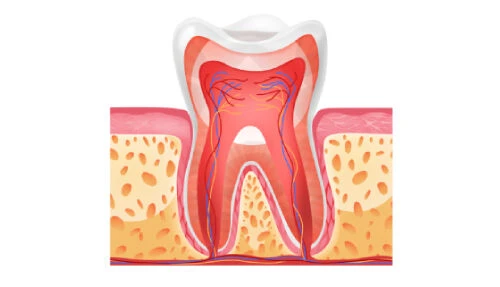
Treatment of tooth nerve inflammation
04.02.2025
Despite the fact that dental procedures have become significantly less painful over the past few decades, not all patients visit the dentist on time. Often fears prevail over health needs. This is confirmed by the statistics of cases of such a disease as pulpitis, especially irreversible. In Kyiv, two out of ten patients come to the dentist complaining that their tooth nerves have become inflamed due to long-untreated caries.
Igor Osadchiy
Installation of a dental crown
03.02.2025
Installing dental crowns is an important dental procedure designed to restore the functionality and aesthetics of teeth. It may be necessary in cases of significant tooth damage, after caries treatment, due to trauma, or certain bite pathologies. There are many types of dental crowns that need to be carefully considered before making a decision.
Igor Osadchiy
Installation of a crown on an implant
03.02.2025
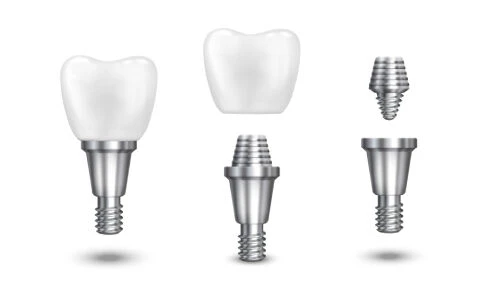
No patient visits a dental clinic for an implant, and they are not even interested in implantation as a service. Patients mostly need to restore a lost tooth, which means they need not only an artificial tooth root but also prosthetics — most often with a crown. The range of variations here is quite wide, which in turn affects both the price of the implant crown and the cost of the procedure.
Igor Osadchiy
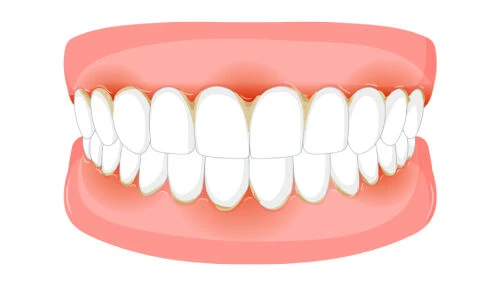
Gingivitis
23.01.2025
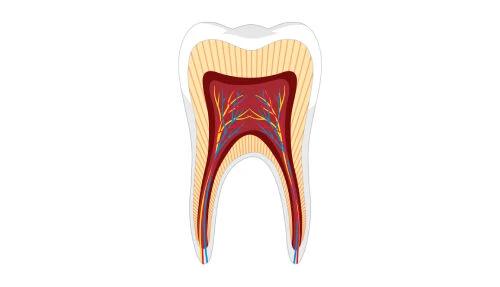
Gum disease (gingivitis) is a common problem faced by many dental clinics in Kyiv and Ukraine. Patients sometimes think that sensitivity and redness of the mucous membrane is a minor issue. However, one should remember about complications. Gingivitis has quite a few of them, so it is important to visit a clinic in time to eliminate the inflammatory process at an early stage.
Igor Osadchiy
Treatment of dental canals
23.01.2025
The vast majority of clinics in Ukraine provide endodontic services, and almost every adult patient has faced the need for nerve removal and root canal filling. Endodontic treatment is a fairly large field with a number of important nuances that patients should be aware of.

Igor Osadchiy
Jaw fracture
23.01.2025
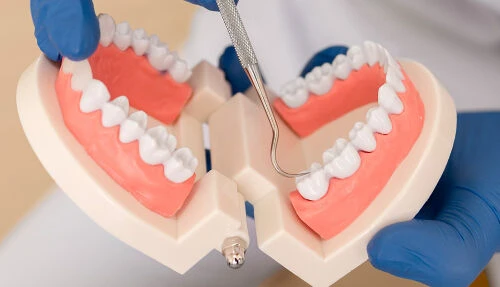
Accidents, falls, and other situations that lead to injuries unfortunately do happen. Sometimes their consequence is a jaw fracture. It is important to note that patients cannot always understand that they have sustained a fracture, while successful rehabilitation directly depends on the speed of seeking medical help.
Igor Osadchiy
Teeth splinting
22.01.2025
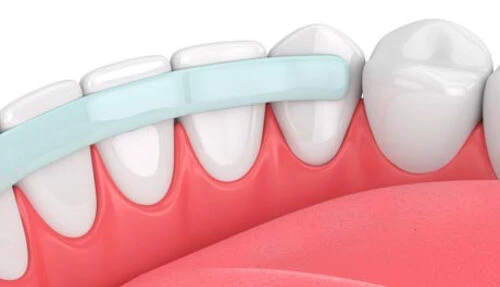
Many clinics in Kyiv offer teeth splinting as a treatment method, including for periodontal teeth. The danger of such manipulations is extremely high. We believe that patients should weigh the risks, and for this, they need to better understand the essence and purpose of such a medical procedure as teeth splinting.
Igor Osadchiy
Depulped tooth
20.01.2025
Endodontic treatment involving tooth devitalization has gained great popularity. It is now difficult to find an adult who has not had a nerve removed in at least one tooth. At the same time, many patients have doubts and do not always decide on depulpation, thereby condemning themselves to tooth extraction. So what is a depulped tooth and how does endodontic treatment work?
Igor Osadchiy
How a dental implant is placed
20.01.2025
Almost every dental clinic in Kyiv and Ukraine can easily compile its own top list of topics that interest patients who have decided to get an implant. At Osadchyi Dental Clinic, we answer all questions in detail and provide consultations. However, many people want to receive information even before their consultation, so we decided to briefly go through the key points that are in the focus of patients’ attention.
Igor Osadchiy
How does tooth implantation occur
20.01.2025
Dental implantation is one of the most popular procedures in modern dentistry. Since many patients come to the need of restoring a lost tooth, many questions arise about the procedure itself. In various forms, the following questions are heard: “How does the dental implantation process work?”, “How is a dental implant placed?”, “How is dental implantation performed?” We answer everything in detail and clearly.
Igor Osadchiy
Is it painful to remove stitches after a tooth extraction
16.01.2025
21st-century dentistry allows performing very complex manipulations and operations absolutely painlessly for the patient. However, many people still experience fears associated with visiting a dental clinic. In particular, there is a whole cluster of questions related to sutures: Does it hurt to remove sutures after tooth extraction? Does it hurt to remove sutures from the gums after wisdom tooth extraction? How long after tooth extraction are sutures removed? What happens if sutures are not removed after wisdom tooth extraction?