Didn’t find the necessary information? Make an appointment for a consultation with oral surgeon Ihor Oleksandrovych Osadchy.

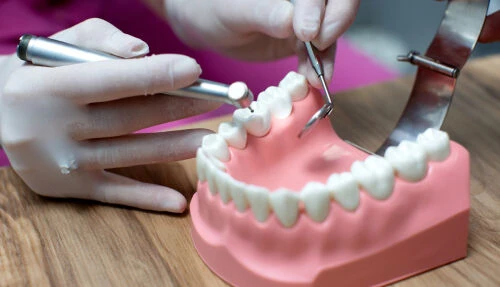
Installation of a dental crown
Installing dental crowns is an important dental procedure designed to restore the functionality and aesthetics of teeth. It may be necessary in cases of significant tooth damage, after caries treatment, due to trauma, or certain bite pathologies. There are many types of dental crowns that need to be carefully considered before making a decision.
An artificial dental crown is a construction used to restore the shape, function, and aesthetics of a damaged or lost crown part of a tooth.
Crown installation aims to achieve the following goals:
- Restoring tooth structure.
In some cases, installing a crown is necessary to prevent further destruction, for example, after removing large carious cavities or pathological wear;
- Improving aesthetics.
Artificial crowns help conceal various defects (color changes, chips, slight crookedness, etc.);
- Restoring functionality.
Crown installation is directly related to restoring chewing function and is necessary for proper load distribution across all teeth;
- Stabilizing the dental arch.
Installing dental crowns on implants or prepared teeth can prevent shifting of adjacent teeth and help maintain proper bite.
The practice of widespread use of artificial crowns in dentistry has existed since the beginning of the 20th century. The construction is not accidentally popular: it has not only a wide range of applications but also a long list of indications.
| Name | Description |
| Deep caries | Crown installation is necessary to restore the lost tooth structure when caries has led to significant destruction of the crown part (30% or more) |
| Root canal diseases | Endodontic treatment (root canal treatment) often requires significant removal of crown part tissues. In such cases, installing an artificial crown instead of a large filling is recommended to preserve the tooth and protect it during chewing loads |
| Fractures and cracks | A crown is indicated for cracks, fractures, or other mechanical damage that may threaten tooth integrity |
| Aesthetic improvement request | A crown conceals various defects: changes in color, shape, size, etc. |
| Deformity correction | In cases of tooth development anomalies such as dysplasia and fluorosis, crowns help restore proper shape and size |
| Prosthetics after tooth loss | Used in implant-based prosthetics |
| Wear prevention | Indicated for protecting severely worn teeth, especially in cases of bruxism and/or pathological wear |
| Malocclusion | Crown installation can help with bite correction by restoring dental arch functionality |
Despite the fact that artificial crowns can perform a number of tasks and solve a whole range of dental problems, there are also limitations to their use. Many patients strive to save the tooth at any cost and insist on crown installation, but there are contraindications where crown use is impossible or inappropriate.
| Name | Description |
| Unstable periodontal tissue | Mucosal diseases such as periodontitis can lead to tooth loss. If periodontal tissues are inflamed or severely damaged, crown installation will not solve the underlying problem and may lead to further complications |
| General medical contraindications | Some systemic diseases (e.g., severe cardiovascular diseases, diabetes, oncological diseases) can make the crown installation procedure risky. In such cases, prior consultation with the appropriate physician is required |
| Improper tooth positioning | If teeth are positioned incorrectly or significantly shifted, this can complicate crown installation and cause bite problems. In such cases, orthodontic treatment before crown installation may be required |
| Psychological factors | Some patients may have mental disorders or phobias related to dental procedures, making crown installation inadvisable |
By material:
- Metal-ceramic crowns: consist of a metal base and ceramic coating.
- Ceramic or press-ceramic crowns: made entirely from ceramics.
- Zirconia crowns: made from zirconium.
- Metal crowns: made entirely from metal (usually gold or special alloys).
- Composite crowns: made from composite materials that can be colored in various shades.
By construction:
- Solid crowns: made from a single material that fully covers the tooth.
- Layered crowns: consist of different materials, such as metal-ceramics, where the metal base is covered with ceramics.
By manufacturing method:
- Traditional crowns: manufactured in a dental laboratory based on impressions or tooth models.
- CAD/CAM crowns: created from special blocks using computer modeling and milling.
- Mock-up crowns: made from fast-setting medical polymer by the prosthodontist directly in the office.
By indication for installation:
- Permanent crowns: installed on teeth for long-term restoration of their function and aesthetics.
- Temporary crowns: used for temporary tooth restoration before permanent crown installation.
By area of application:
- Crowns for front teeth.
- Crowns for chewing teeth.
Metal-ceramic crowns.
Advantages:
- Strength: the metal base provides high strength and durability, crown installation on living teeth is available.
- Aesthetics: ceramic coating allows achieving a natural appearance and matching color.
- Wear resistance: possess good operational characteristics and are resistant to mechanical loads.
Disadvantages:
- Transparency: unlike fully ceramic crowns, metal-ceramics may be less transparent, which can negatively affect aesthetics when installed on front teeth.
- Corrosion: the metal base may be subject to corrosion over time.
Ceramic crowns.
Advantages:
- Aesthetics: have a very natural appearance due to good transparency and can be colored in various shades.
- Biocompatibility: ceramics do not cause allergic reactions.
Disadvantages:
- Cost: generally more expensive compared to crowns made from other materials.
Zirconia crowns.
Advantages:
- Strength and durability: zirconium has high strength, making crowns very resistant to mechanical loads.
- Aesthetics: have high transparency and natural appearance, making them suitable for both front and chewing teeth.
- Biocompatibility: do not cause allergies.
Disadvantages:
- Installation difficulties: due to material rigidity, installation may require greater precision and skills from the doctor.
Metal crowns.
Advantages:
- Strength: high strength and durability.
- Wear resistance: resistant to wear and handle loads well.
Disadvantages:
- Aesthetics: metal crowns have a characteristic color and are very noticeable in the mouth.
- Potential allergic reactions: some patients may experience allergic reactions to metal components.
Composite crowns.
Advantages:
- Cost: generally less expensive compared to ceramic and zirconia crowns.
- Aesthetics: possibility to choose color and texture.
Disadvantages:
- Fragility: less strong and wear-resistant.
- Color change: tend to lose color.
Traditional method: involves mechanical tooth preparation and creation of an individual crown.
Crown installation stages:
- examination and diagnostics;
- tooth preparation;
- impression taking;
- temporary crown installation if necessary;
- manufacturing;
- permanent crown installation.
Advantages: durability and ability to choose various materials (metal-ceramics, zirconia, ceramics).
Disadvantages: requires several visits and temporary crown installation.
CAD/CAM dental crown installation technology: involves using computer technologies for crown design and manufacturing.
Crown installation stages:
- examination and diagnostics;
- tooth preparation;
- tooth scanning with 3D scanner or impression taking;
- temporary crown installation if necessary;
- computer crown modeling;
- manufacturing;
- installation.
Advantages: fast manufacturing, high precision, and comfort.
Disadvantages: cannot be used in case of complete tooth absence.
Minimally invasive method: aimed at preserving the maximum amount of healthy dental tissue.
Crown installation stages:
- tooth condition assessment;
- tooth preparation (minimal preparation);
- impression taking;
- crown manufacturing;
- fitting and crown fixation.
Advantages: preservation of most of the tooth and lower risk of complications.
Disadvantages: not available with significant crown part destruction or atypical tooth position.
The price of dental crown installation varies depending on the region, type of crown, and chosen clinic. In Kyiv, for example, the price of crown installation is higher than the national average due to higher levels of service and specialist qualifications.
On average, dental crown installation prices across Ukraine range from 13,000 to 20,000 hryvnias. The cost of metal-ceramic crown installation may be lower than fully ceramic or zirconia crowns. It should also be noted that crown installation prices in Kyiv may include additional costs, such as temporary crown installation or dental consultation.
The price range for dental crown installation in Kyiv is as follows: metal-ceramic — 10–15 thousand hryvnias, ceramic — 15–20 thousand hryvnias, zirconia — 13–19 thousand hryvnias, metal — 3–5 thousand hryvnias, temporary composite — 3.5–4 thousand hryvnias.
Yes, in cases of significant damage, a high degree of destruction, or bite dysfunction, installing crowns on all of a patient’s teeth is possible.
A turnkey crown installation involves performing all stages of crown installation in one clinic: from the initial examination to the final result verification.
Crown installation is usually not painful as it is performed under local anesthesia. The tooth preparation process may cause minor discomfort, but overall the procedure is painless.
Manufacturing and installing crowns takes from one to several visits. With the traditional method, the process may take 1–2 weeks.

Igor Osadchiy
Surgeon
MD, physician with the highest skill accreditation level, member of EACMS (European Association of Cranio-Maxillofacial Surgeons), member of the Association of Implantologists of Ukraine. Alma mater: O.O. Bogomolets National Medical University. Year of graduation: 1984. Experience: Work experience: 38 years. For 13 years (1985-1998), taught dental surgery and maxillofacial surgery…
Igor Osadchiy
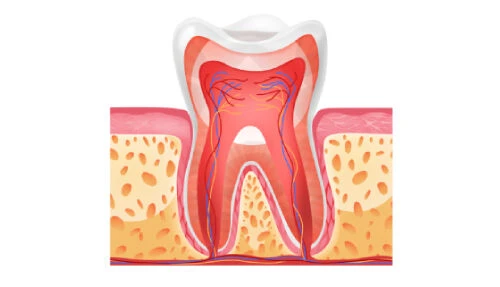
Treatment of tooth nerve inflammation
04.02.2025
Despite the fact that dental procedures have become significantly less painful over the past few decades, not all patients visit the dentist on time. Often fears prevail over health needs. This is confirmed by the statistics of cases of such a disease as pulpitis, especially irreversible. In Kyiv, two out of ten patients come to the dentist complaining that their tooth nerves have become inflamed due to long-untreated caries.
Igor Osadchiy
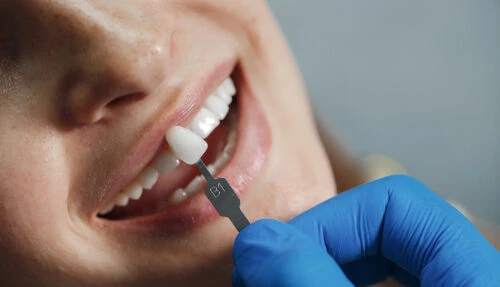
Installation of a crown on an implant
03.02.2025
No patient visits a dental clinic for an implant, and they are not even interested in implantation as a service. Patients mostly need to restore a lost tooth, which means they need not only an artificial tooth root but also prosthetics — most often with a crown. The range of variations here is quite wide, which in turn affects both the price of the implant crown and the cost of the procedure.
Igor Osadchiy
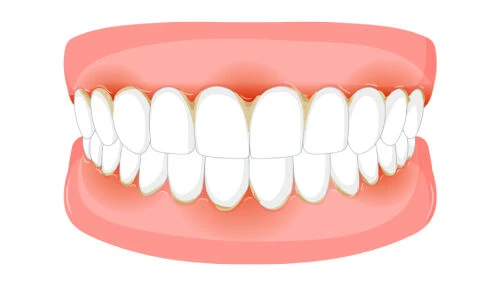
Gingivitis
23.01.2025
Gum disease (gingivitis) is a common problem faced by many dental clinics in Kyiv and Ukraine. Patients sometimes think that sensitivity and redness of the mucous membrane is a minor issue. However, one should remember about complications. Gingivitis has quite a few of them, so it is important to visit a clinic in time to eliminate the inflammatory process at an early stage.
Igor Osadchiy
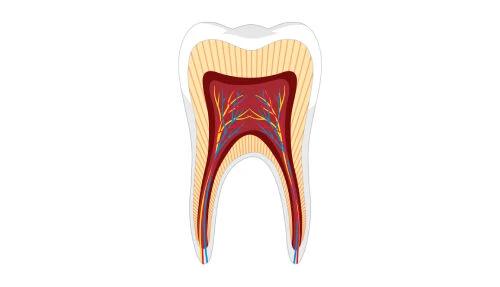
Treatment of dental canals
23.01.2025
The vast majority of clinics in Ukraine provide endodontic services, and almost every adult patient has faced the need for nerve removal and root canal filling. Endodontic treatment is a fairly large field with a number of important nuances that patients should be aware of.

Igor Osadchiy
Jaw fracture
23.01.2025
Accidents, falls, and other situations that lead to injuries unfortunately do happen. Sometimes their consequence is a jaw fracture. It is important to note that patients cannot always understand that they have sustained a fracture, while successful rehabilitation directly depends on the speed of seeking medical help.
Igor Osadchiy
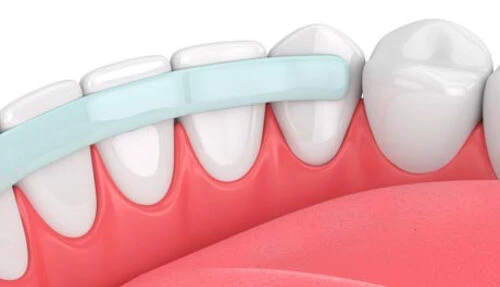
Teeth splinting
22.01.2025
Many clinics in Kyiv offer teeth splinting as a treatment method, including for periodontal teeth. The danger of such manipulations is extremely high. We believe that patients should weigh the risks, and for this, they need to better understand the essence and purpose of such a medical procedure as teeth splinting.
Igor Osadchiy
Depulped tooth
20.01.2025
Endodontic treatment involving tooth devitalization has gained great popularity. It is now difficult to find an adult who has not had a nerve removed in at least one tooth. At the same time, many patients have doubts and do not always decide on depulpation, thereby condemning themselves to tooth extraction. So what is a depulped tooth and how does endodontic treatment work?
Igor Osadchiy
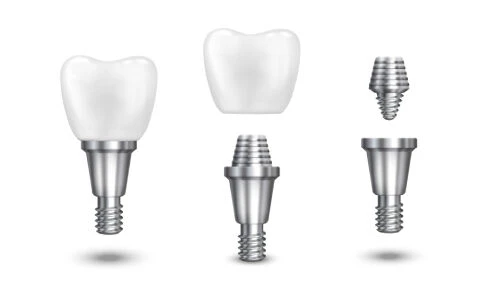
How a dental implant is placed
20.01.2025
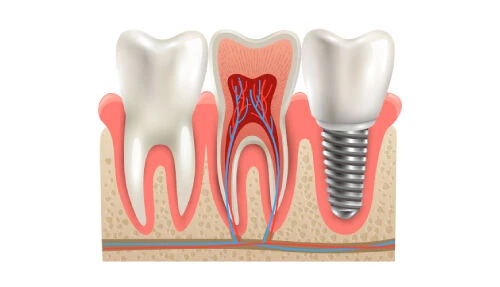
Almost every dental clinic in Kyiv and Ukraine can easily compile its own top list of topics that interest patients who have decided to get an implant. At Osadchyi Dental Clinic, we answer all questions in detail and provide consultations. However, many people want to receive information even before their consultation, so we decided to briefly go through the key points that are in the focus of patients’ attention.
Igor Osadchiy
How does tooth implantation occur
20.01.2025
Dental implantation is one of the most popular procedures in modern dentistry. Since many patients come to the need of restoring a lost tooth, many questions arise about the procedure itself. In various forms, the following questions are heard: “How does the dental implantation process work?”, “How is a dental implant placed?”, “How is dental implantation performed?” We answer everything in detail and clearly.

Igor Osadchiy
White coating after tooth extraction
16.01.2025
Almost every dentist has encountered queries like: gums turned white after tooth extraction, pulled a tooth and there is a white pouch on the gums, something white and soft in the socket after tooth extraction, or white spots on the gums after tooth extraction. We want to reassure all patients: everything is fine, there is no cause for concern.
Igor Osadchiy
Is it painful to remove stitches after a tooth extraction
16.01.2025
21st-century dentistry allows performing very complex manipulations and operations absolutely painlessly for the patient. However, many people still experience fears associated with visiting a dental clinic. In particular, there is a whole cluster of questions related to sutures: Does it hurt to remove sutures after tooth extraction? Does it hurt to remove sutures from the gums after wisdom tooth extraction? How long after tooth extraction are sutures removed? What happens if sutures are not removed after wisdom tooth extraction?