Didn’t find the necessary information? Make an appointment for a consultation with oral surgeon Ihor Oleksandrovych Osadchy.

What can you eat after tooth extraction
Tooth extraction is one of those procedures that patients are especially afraid of. Therefore, they quite rightly ask many questions both before and after surgery. In particular, questions about nutrition are quite popular: “What can you eat when a tooth has been pulled?”, “What can you eat after wisdom tooth extraction?” or “What should you not eat after wisdom tooth extraction?” These are important clarifications, as in the first period after tooth extraction, you really need to follow a diet. At the same time, it is important to remember not only about dietary restrictions…
What can you eat after tooth extraction: the first hour after surgery
The strictest restrictions after tooth extraction regarding what you can eat apply during the first one to two hours immediately after surgery. During this period, all patients are advised to refrain from eating and even drinking, except for room-temperature water. In the first two hours after tooth extraction, food and beverages can cause bleeding and additionally traumatize the extraction area.
What can you eat after tooth extraction: on the day of surgery
After two hours have passed since the surgical intervention, the patient may begin eating if desired. It is important to follow a soft, easily digestible diet and remember that food and drinks should not be hot, but moderately warm or cool.
| What to eat after tooth extraction | What to drink after tooth extraction |
|
|
What can you eat after tooth extraction: the first 48 hours after surgery
A day after tooth extraction, additional products can be introduced into the diet, but it is recommended to follow a soft diet for at least 48 hours.
| What to eat after tooth extraction | What to drink after tooth extraction |
|
|
After 48-72 hours following tooth extraction, you can gradually return to your usual foods. It is best to start by adding cheese, soft bread without crust, peeled apples, etc. to your diet.
It is important to know not only what you can eat after tooth extraction, but also how to properly chew food while avoiding wound trauma. The following recommendations should be followed:
- Avoid chewing on the side of the extracted tooth (this will help prevent additional pressure and trauma to the wound area).
- Avoid excessively hot or cold food (extremely hot or cold foods can increase discomfort and pain in the wound area).
- Avoid hard, sharp, and large foods (chewing such foods can cause additional trauma and delay the healing process).
- Use a straw (in case of severe discomfort in the first few days, you can drink and even eat broths using a straw).
Practice shows that sometimes it is not as important for patients to know what they can eat after tooth extraction as it is to have a list of prohibited foods:
- hard and spicy food (nuts, seeds, chips, tough types of meat: beef, pork);
- fried and tough food (all fried foods, especially with a crispy crust, hard crackers, toast);
- seeds and pits (foods with small seeds: raspberries, blackberries, strawberries);
- alcohol;
- citrus juices.
In case you think “you cannot, but really want to,” we hasten to warn you about the possible consequences of violating the restrictions:
- increased pain and discomfort
(sharp, hard, and hot foods can traumatize the wound area and cause increased pain, as well as slow down the healing process and make it more painful);
- increased risk of bleeding
(hard and sharp food can damage the blood clot formed in the extraction area – provoke bleeding);
- increased risk of infection
(food rich in bacteria or sugar can promote the development of infection in the wound area).
Wisdom tooth extraction requires following a soft diet and general rules that are the same for the extraction of any tooth. At the same time, wisdom tooth removal can be quite complex when dealing with impacted or displaced teeth. Additionally, a doctor can often remove several or even all wisdom teeth in one appointment, which increases discomfort and pain.
Therefore, answering the question “What can you eat after wisdom tooth extraction?” is somewhat more difficult. Doctors often give individual recommendations regarding what you cannot and what you can eat after wisdom tooth extraction. Strict adherence to a soft and easily digestible diet is definitely a must have when removing wisdom teeth. If the patient still experiences discomfort or pain, they should immediately consult a doctor.
There are not many general recommendations after tooth extraction, and they are very simple:
- follow the doctor’s instructions and take prescribed medications;
- carefully follow hygiene procedures (use a soft brush and gently brush teeth located next to the socket of the extracted tooth);
- attend follow-up examinations;
- inform the doctor in case of deterioration in your condition.
With restrictions and limitations, things are a bit more complicated: some patients do not even realize that tooth extraction imposes strict prohibitions and can significantly change their lifestyle for several days.
Within 48 hours after tooth extraction, you must not:
- engage in sports or perform heavy physical activities;
- visit a sauna, steam room, or take a hot bath;
- consume alcohol or smoke.
The healing process depends on many factors, but it is impossible to speed it up by consuming any special foods. By following a soft diet and all of the doctor’s recommendations, the recovery process after wisdom tooth extraction will be physiological and as comfortable as possible for the patient. Significant relief will come after 2 days, and sutures can be removed after 7 days.
There are no strict restrictions here. However, if it is possible to avoid chewing on the operated side during the first day and not put pressure on the wound, the healing process will proceed faster and more comfortably.
In the first 48 hours, you should avoid active rinsing and even suction of liquids. As for rinsing specifically with a baking soda solution, it is not recommended due to its alkaline pH, which can provoke burning and irritation of soft tissues in the wound area.

Igor Osadchiy
Surgeon
MD, physician with the highest skill accreditation level, member of EACMS (European Association of Cranio-Maxillofacial Surgeons), member of the Association of Implantologists of Ukraine. Alma mater: O.O. Bogomolets National Medical University. Year of graduation: 1984. Experience: Work experience: 38 years. For 13 years (1985-1998), taught dental surgery and maxillofacial surgery…
Igor Osadchiy
Treatment of tooth nerve inflammation
04.02.2025
Despite the fact that dental procedures have become significantly less painful over the past few decades, not all patients visit the dentist on time. Often fears prevail over health needs. This is confirmed by the statistics of cases of such a disease as pulpitis, especially irreversible. In Kyiv, two out of ten patients come to the dentist complaining that their tooth nerves have become inflamed due to long-untreated caries.
Igor Osadchiy
Installation of a dental crown
03.02.2025
Installing dental crowns is an important dental procedure designed to restore the functionality and aesthetics of teeth. It may be necessary in cases of significant tooth damage, after caries treatment, due to trauma, or certain bite pathologies. There are many types of dental crowns that need to be carefully considered before making a decision.
Igor Osadchiy
Installation of a crown on an implant
03.02.2025
No patient visits a dental clinic for an implant, and they are not even interested in implantation as a service. Patients mostly need to restore a lost tooth, which means they need not only an artificial tooth root but also prosthetics — most often with a crown. The range of variations here is quite wide, which in turn affects both the price of the implant crown and the cost of the procedure.
Igor Osadchiy
Gingivitis
23.01.2025
Gum disease (gingivitis) is a common problem faced by many dental clinics in Kyiv and Ukraine. Patients sometimes think that sensitivity and redness of the mucous membrane is a minor issue. However, one should remember about complications. Gingivitis has quite a few of them, so it is important to visit a clinic in time to eliminate the inflammatory process at an early stage.
Igor Osadchiy
Treatment of dental canals
23.01.2025
The vast majority of clinics in Ukraine provide endodontic services, and almost every adult patient has faced the need for nerve removal and root canal filling. Endodontic treatment is a fairly large field with a number of important nuances that patients should be aware of.

Igor Osadchiy
Jaw fracture
23.01.2025
Accidents, falls, and other situations that lead to injuries unfortunately do happen. Sometimes their consequence is a jaw fracture. It is important to note that patients cannot always understand that they have sustained a fracture, while successful rehabilitation directly depends on the speed of seeking medical help.
Igor Osadchiy
Teeth splinting
22.01.2025
Many clinics in Kyiv offer teeth splinting as a treatment method, including for periodontal teeth. The danger of such manipulations is extremely high. We believe that patients should weigh the risks, and for this, they need to better understand the essence and purpose of such a medical procedure as teeth splinting.
Igor Osadchiy
Depulped tooth
20.01.2025
Endodontic treatment involving tooth devitalization has gained great popularity. It is now difficult to find an adult who has not had a nerve removed in at least one tooth. At the same time, many patients have doubts and do not always decide on depulpation, thereby condemning themselves to tooth extraction. So what is a depulped tooth and how does endodontic treatment work?
Igor Osadchiy
How a dental implant is placed
20.01.2025
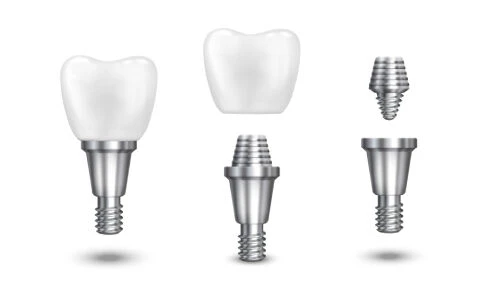
Almost every dental clinic in Kyiv and Ukraine can easily compile its own top list of topics that interest patients who have decided to get an implant. At Osadchyi Dental Clinic, we answer all questions in detail and provide consultations. However, many people want to receive information even before their consultation, so we decided to briefly go through the key points that are in the focus of patients’ attention.
Igor Osadchiy
How does tooth implantation occur
20.01.2025
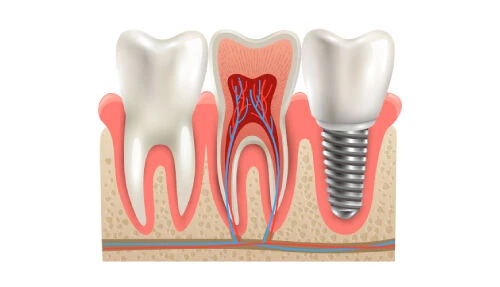
Dental implantation is one of the most popular procedures in modern dentistry. Since many patients come to the need of restoring a lost tooth, many questions arise about the procedure itself. In various forms, the following questions are heard: “How does the dental implantation process work?”, “How is a dental implant placed?”, “How is dental implantation performed?” We answer everything in detail and clearly.

Igor Osadchiy
White coating after tooth extraction
16.01.2025
Almost every dentist has encountered queries like: gums turned white after tooth extraction, pulled a tooth and there is a white pouch on the gums, something white and soft in the socket after tooth extraction, or white spots on the gums after tooth extraction. We want to reassure all patients: everything is fine, there is no cause for concern.