Didn’t find the necessary information? Make an appointment for a consultation with oral surgeon Ihor Oleksandrovych Osadchy.

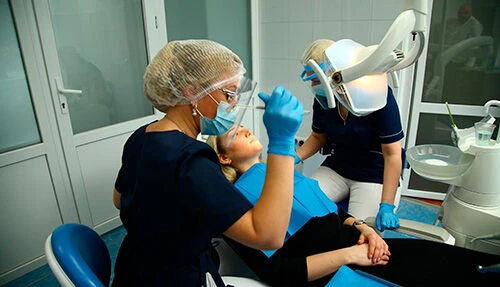
What to do if a toothache occurs
Does your tooth hurt under a filling, under a crown, after extraction, at night, or during pregnancy? In every case, pain signals the need for treatment. The chief doctor of the Osadchyi Clinic answers the most common patient questions about toothache and explains why you should not delay visiting a dentist.
All dental clinics in Ukraine face questions such as: what to do if a tooth hurts badly; what should I do if a tooth hurts; what to do if a tooth is inflamed; what to do if a filled tooth hurts; what to do if a tooth hurts. As much as patients would like otherwise, there is only one answer to all these questions, however they are phrased: treat it. Whether it is sudden acute pain or persistent aching – a visit to the dentist is inevitable. The sooner a patient visits the clinic, the faster, cheaper, and with fewer complications the treatment will be.
We have collected several similar and most common questions that are frequently asked to dentists. In 100% of cases, pain is the most important indicator for a visit to the doctor. Unfortunately, it can be difficult for patients to accept reality. That is why we have tried to provide detailed answers to the questions.
There can be quite a few reasons for tooth pain under a filling. If we are talking about a tooth that was filled recently, first of all, it is important to understand: is the patient experiencing pain or discomfort.
Discomfort sensations when biting are acceptable for several months after filling a tooth. They appear periodically and do not prevent a person from thinking, sleeping, or doing any other activities.
Pain is different. Pain is usually constant and persistent. Therefore, when answering the question “What to do if a tooth hurts under a filling?”, we say: continue treatment.
If after a recent filling the tooth is pulsating, there is a pain reaction to cold or hot drinks and food, or cold air, this is an important reason to continue treatment.
What to do if a filled tooth hurts? You should see a doctor, determine the cause, and start treatment.
If the filling was placed a long time ago but pain has appeared, this signals the development of disease under the filling – the tooth continues to deteriorate. This includes secondary caries, pulpitis, periodontitis, which are accompanied by:
- intense pain;
- swelling;
- pain when biting;
- elevated body temperature.
All these symptoms indicate the spread of the inflammatory process above the apex of the tooth root.

The same processes can occur under a crown as under a filling. A tooth under a crown can also be subject to destruction. In such a case, the crown must be removed and the tooth treated, possibly with extraction and implant placement.
A cavity in a tooth can occur due to an advanced carious process, as a result of a filling falling out of a previously treated tooth, or tooth trauma.
Intense pain in a carious tooth may indicate significant pulp destruction (pulpitis) and nerve destruction. In such a case, you should immediately take painkillers and see a dentist.
We recommend our patients not to ignore routine check-ups, during which the doctor can diagnose caries at an early stage, even before the first pain appears. This will help avoid many problems, including those related to intense pain and subsequent more complex treatment.
The question “What to do if an extracted tooth hurts?” is not entirely correct, since an extracted tooth cannot hurt. However, there may be pain in the area of the extraction socket.
Pain and discomfort during tooth extraction are possible, as tooth extraction is a controlled injury. However, with proper healing after the injury, pain should subside after taking painkillers.
Pain after extraction can be assessed using the VAS pain scale:
- 0 – no pain;
- 1–3 – mild pain;
- 4–6 – moderate/mild pain;
- 7–9 – intense pain;
- 10 – unbearable pain.
If within a few days after tooth extraction the pain does not subside but instead intensifies and exceeds 3 or 4 on the VAS scale, you should see an oral surgeon.
An indication for seeking specialist consultation for pain after tooth extraction may also be the fact that painkillers do not relieve the pain.
If wisdom teeth start to bother you or hurt, this is a definite indication to visit a dental clinic. Even if we are talking about unerupted wisdom teeth. Unfortunately, wisdom teeth often bring patients unwanted problems, but they can always be solved. The main thing is not to delay visiting a qualified specialist.
The most common problem is the occurrence of acute pain at night. If taking painkillers does not help, you can contact 24-hour dental clinics available in Kyiv.
Osadchyi Dental Clinic can also work at night if necessary. Therefore, to the question “What to do if a tooth hurts at night?” we answer: you don’t have to endure it, you can contact us immediately.
If the patient can still tolerate the pain and does not want to or cannot go to the clinic immediately, they can call us. We will ask about the symptoms, collect a preliminary medical history, and give recommendations that the patient will follow until visiting the clinic.
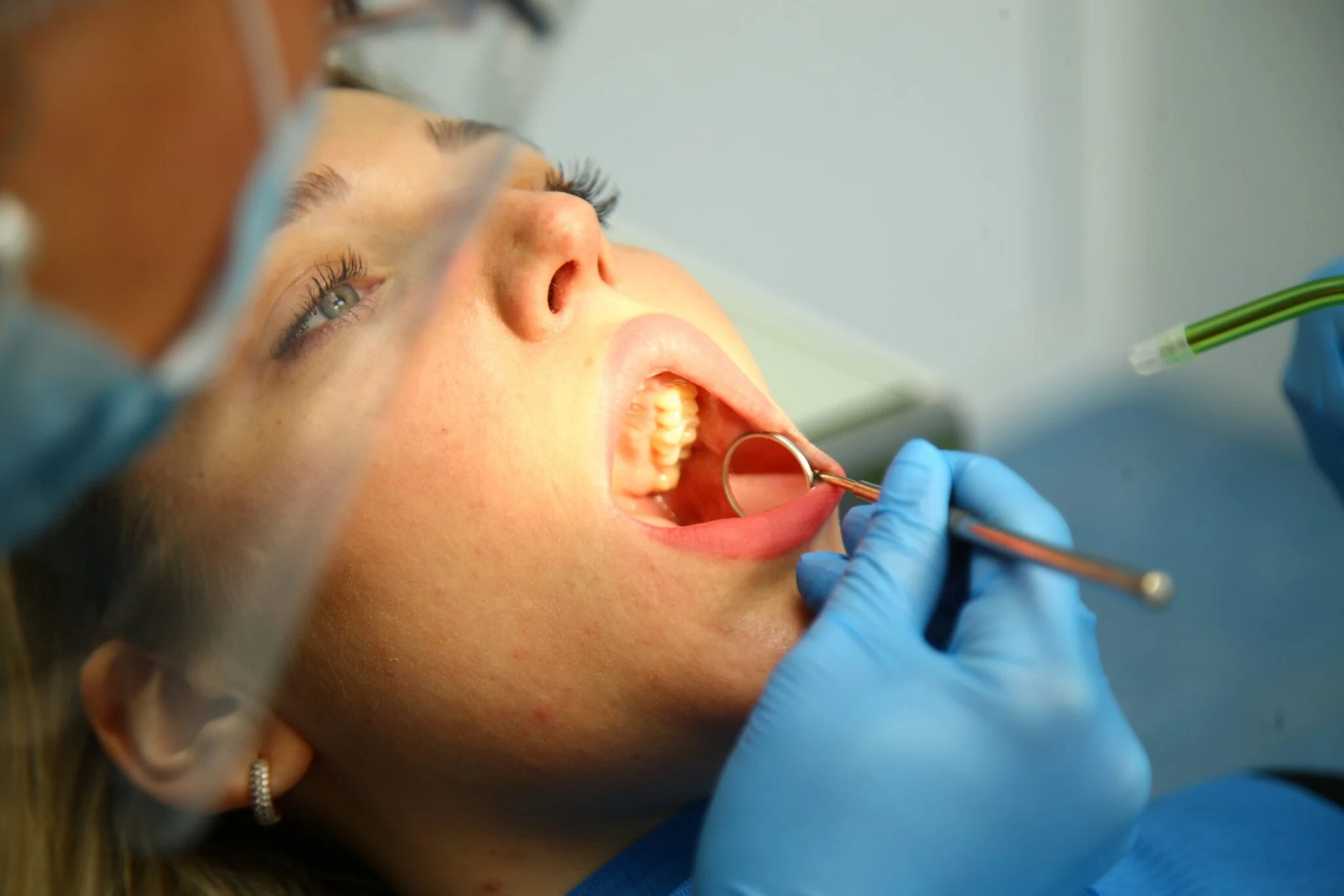
There is an opinion that pregnant women cannot undergo dental treatment. This is due to the fact that anesthetics used in dentistry in the past could harm the fetus.
At Osadchyi Dental Clinic, we use anesthetics that do not cross the hematoplacental barrier and do not harm the child. Therefore, if a pregnant woman has a toothache, she should see a doctor very quickly to prevent the development of a purulent process. Treatment of inflammation requires antibiotics, which is extremely undesirable for pregnant women, unlike modern harmless anesthesia.
So that expectant mothers sleep and eat well, do not have septic conditions and stress, and do not need to take harmful painkillers, we provide treatment using anesthesia that does not cross the hematoplacental barrier and in 99.4% of cases does not cause allergies.
Treatment of pregnant women can be carried out at any stage and during lactation.
A reaction to cold or hot may indicate enamel disease. In such a case, you should see a dentist who can prescribe remineralizing procedures for the enamel. In cases of significant destruction, the doctor may recommend restoration.
Such symptoms may be characteristic of inflammatory processes (abscesses and even phlegmons). As in other cases, our recommendation is to see a doctor immediately. But in this case, waiting is especially dangerous, as purulent inflammation can threaten the patient’s life.
Our answer will be the same for another similar question: “What to do if the gums are swollen and a tooth hurts?”.
If you cannot visit a dentist right now, it is best to call. We will conduct a brief survey, determine the cause of the pain, and give recommendations on how to reduce it.
See a dentist. During the examination, the doctor will determine the cause and may refer you to an ENT specialist.
There are various ways to reduce the intensity of a toothache or relieve it. However, recommendations depend on each individual case. Self-treatment is very dangerous, so to get rid of the pain, you should first call and then come to the doctor.

Igor Osadchiy
Surgeon
MD, physician with the highest skill accreditation level, member of EACMS (European Association of Cranio-Maxillofacial Surgeons), member of the Association of Implantologists of Ukraine. Alma mater: O.O. Bogomolets National Medical University. Year of graduation: 1984. Experience: Work experience: 38 years. For 13 years (1985-1998), taught dental surgery and maxillofacial surgery…
Igor Osadchiy
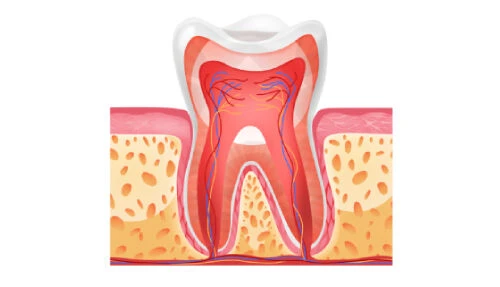
Treatment of tooth nerve inflammation
04.02.2025
Despite the fact that dental procedures have become significantly less painful over the past few decades, not all patients visit the dentist on time. Often fears prevail over health needs. This is confirmed by the statistics of cases of such a disease as pulpitis, especially irreversible. In Kyiv, two out of ten patients come to the dentist complaining that their tooth nerves have become inflamed due to long-untreated caries.
Igor Osadchiy
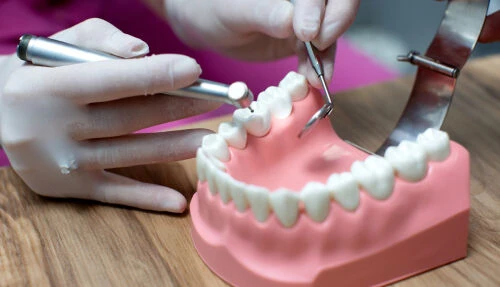
Installation of a dental crown
03.02.2025
Installing dental crowns is an important dental procedure designed to restore the functionality and aesthetics of teeth. It may be necessary in cases of significant tooth damage, after caries treatment, due to trauma, or certain bite pathologies. There are many types of dental crowns that need to be carefully considered before making a decision.
Igor Osadchiy
Installation of a crown on an implant
03.02.2025
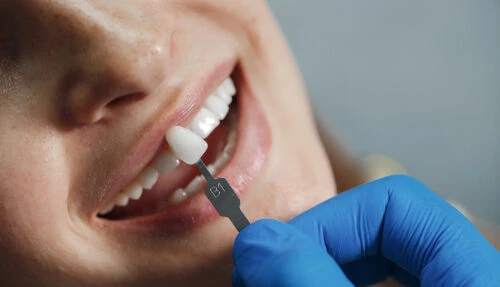
No patient visits a dental clinic for an implant, and they are not even interested in implantation as a service. Patients mostly need to restore a lost tooth, which means they need not only an artificial tooth root but also prosthetics — most often with a crown. The range of variations here is quite wide, which in turn affects both the price of the implant crown and the cost of the procedure.
Igor Osadchiy
Gingivitis
23.01.2025
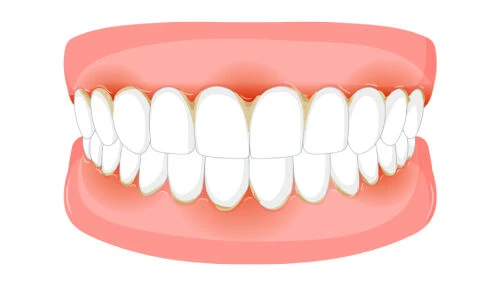
Gum disease (gingivitis) is a common problem faced by many dental clinics in Kyiv and Ukraine. Patients sometimes think that sensitivity and redness of the mucous membrane is a minor issue. However, one should remember about complications. Gingivitis has quite a few of them, so it is important to visit a clinic in time to eliminate the inflammatory process at an early stage.
Igor Osadchiy
Treatment of dental canals
23.01.2025
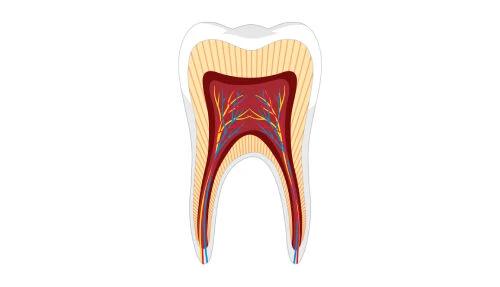
The vast majority of clinics in Ukraine provide endodontic services, and almost every adult patient has faced the need for nerve removal and root canal filling. Endodontic treatment is a fairly large field with a number of important nuances that patients should be aware of.

Igor Osadchiy
Jaw fracture
23.01.2025
Accidents, falls, and other situations that lead to injuries unfortunately do happen. Sometimes their consequence is a jaw fracture. It is important to note that patients cannot always understand that they have sustained a fracture, while successful rehabilitation directly depends on the speed of seeking medical help.
Igor Osadchiy
Teeth splinting
22.01.2025
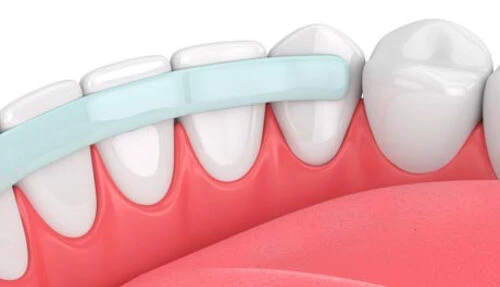
Many clinics in Kyiv offer teeth splinting as a treatment method, including for periodontal teeth. The danger of such manipulations is extremely high. We believe that patients should weigh the risks, and for this, they need to better understand the essence and purpose of such a medical procedure as teeth splinting.
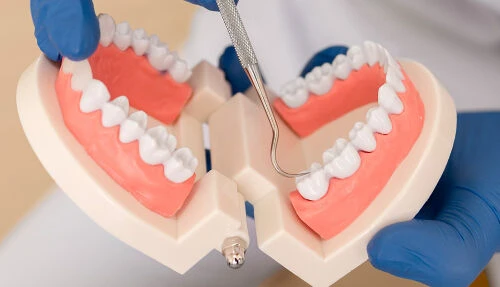
Igor Osadchiy
Depulped tooth
20.01.2025
Endodontic treatment involving tooth devitalization has gained great popularity. It is now difficult to find an adult who has not had a nerve removed in at least one tooth. At the same time, many patients have doubts and do not always decide on depulpation, thereby condemning themselves to tooth extraction. So what is a depulped tooth and how does endodontic treatment work?
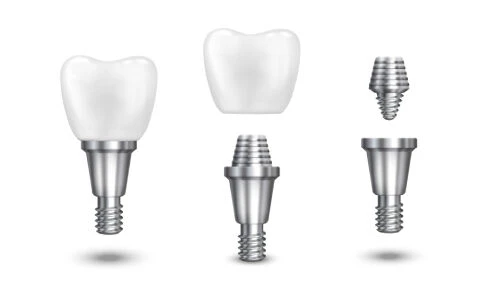
Igor Osadchiy
How a dental implant is placed
20.01.2025
Almost every dental clinic in Kyiv and Ukraine can easily compile its own top list of topics that interest patients who have decided to get an implant. At Osadchyi Dental Clinic, we answer all questions in detail and provide consultations. However, many people want to receive information even before their consultation, so we decided to briefly go through the key points that are in the focus of patients’ attention.
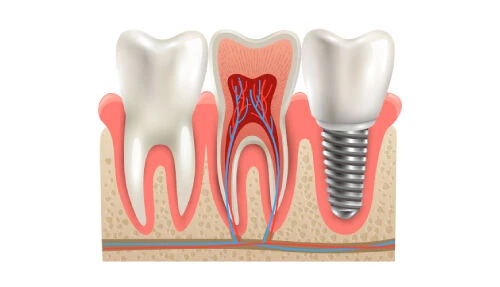
Igor Osadchiy
How does tooth implantation occur
20.01.2025
Dental implantation is one of the most popular procedures in modern dentistry. Since many patients come to the need of restoring a lost tooth, many questions arise about the procedure itself. In various forms, the following questions are heard: “How does the dental implantation process work?”, “How is a dental implant placed?”, “How is dental implantation performed?” We answer everything in detail and clearly.

Igor Osadchiy
White coating after tooth extraction
16.01.2025
Almost every dentist has encountered queries like: gums turned white after tooth extraction, pulled a tooth and there is a white pouch on the gums, something white and soft in the socket after tooth extraction, or white spots on the gums after tooth extraction. We want to reassure all patients: everything is fine, there is no cause for concern.